Layered Living: The Art of Blending Old and New in Your Home

Creating a home that feels collected, not decorated.
Designing a new space is an exciting opportunity — a blank canvas ready to reflect your taste, lifestyle, and story. But for many homeowners, the real challenge isn’t selecting new furnishings. It’s deciding how to thoughtfully incorporate the pieces they already love.
That heirloom sideboard. The vintage armchair. The handcrafted table passed down through generations.
When combined with modern selections, these items can either clash — or create character. At Design Valley, we believe that blending old and new is not only possible, it’s what gives a home depth and authenticity. With intention and balance, you can create a layered interior that feels timeless, curated, and uniquely yours.
Here’s how.
1. Start with Scale and Proportion
Harmony begins with balance. Older furnishings often carry different proportions than contemporary pieces — sometimes heavier, sometimes more delicate.
- Measure both your space and your furnishings carefully.
- Pair substantial vintage pieces with streamlined modern counterparts to avoid visual competition.
- Use antique or traditional items as accents alongside contemporary anchors.
For example, a classic, detailed sofa can feel refreshed when paired with a sleek, low-profile coffee table. The contrast works when proportions are complementary. The goal is a natural flow that feels intentional — never accidental.
2. Use Natural Materials as a Bridge
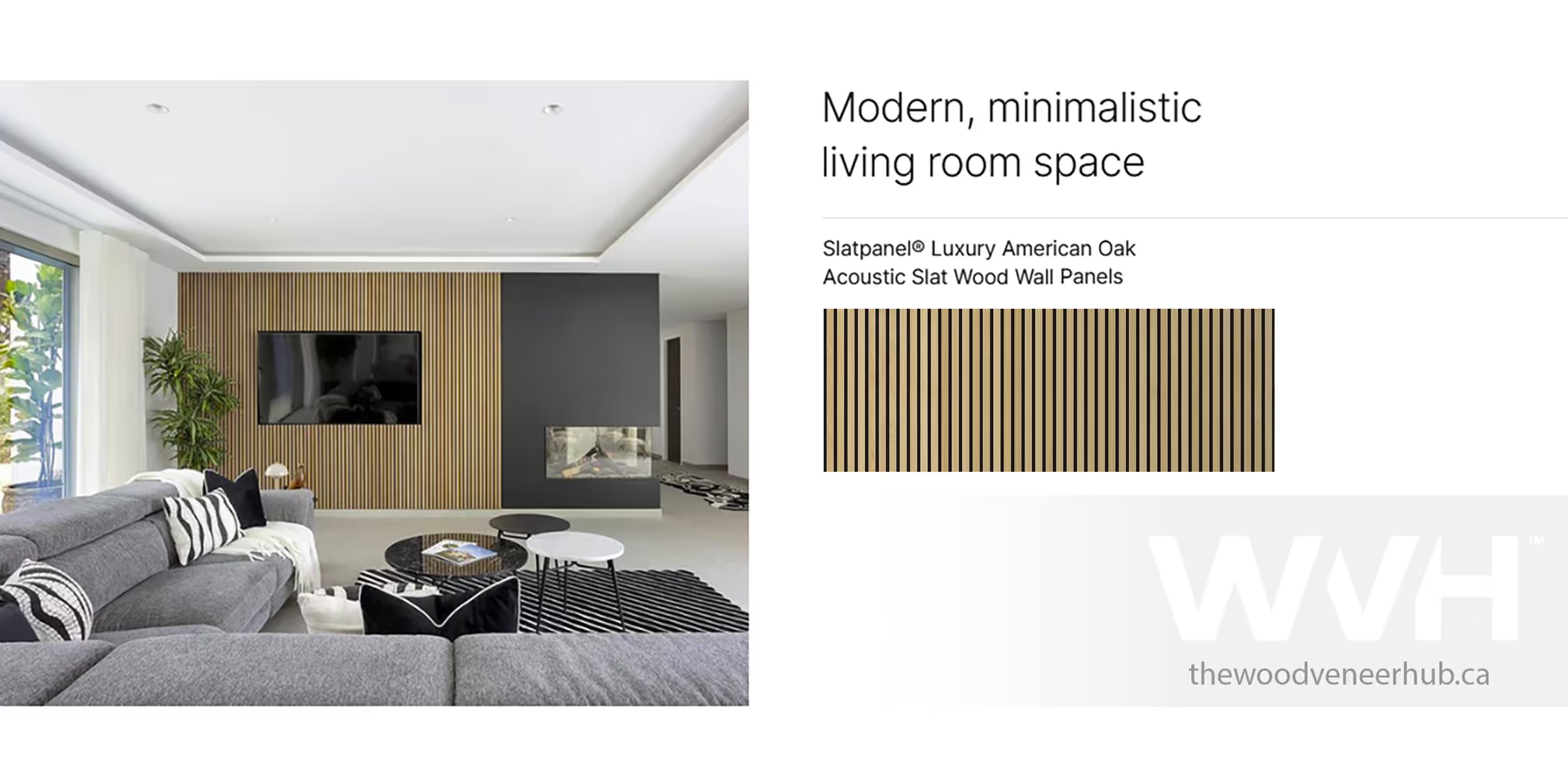
Natural materials are timeless connectors. Wood, leather, linen, wool, stone — these elements transcend trends and eras.
- A reclaimed wood sideboard pairs beautifully with modern metal or glass lighting.
- Woven rugs and textured throws soften contemporary silhouettes.
- Repeating similar materials throughout the space builds quiet cohesion.
When styles differ, materials can unite them.
3. Create a Clear Focal Point
Every well-designed room benefits from a visual anchor.
This could be:
- A striking vintage armoire
- A bold contemporary artwork
- A statement fireplace
- A sculptural light fixture
Once established, build around that focal point by intentionally juxtaposing styles. A modern lamp atop a traditional console. A contemporary mirror above an antique credenza. Grouped thoughtfully, contrast feels curated rather than chaotic.
4. Let Colour Do the Heavy Lifting
Colour is one of the most powerful tools for cohesion.
- Establish a consistent palette that complements both old and new pieces.
- Ground the space with warm neutrals to allow varied shapes and textures to shine.
- Introduce accent tones through cushions, art, or accessories to tie disparate pieces together.
If necessary, consider refinishing or reupholstering older furnishings to align them with your updated palette. A fresh fabric can transform a dated piece into a timeless feature.
5. Edit with Purpose
Blending styles requires restraint.
Not every sentimental item needs to be displayed at once. Thoughtful curation ensures that each piece has space to breathe — and be appreciated. When everything is meaningful, nothing competes for attention.
A layered home feels collected over time, not crowded all at once.
Bringing It All Together
Integrating old and new furnishings isn’t about compromise — it’s about storytelling. It’s about honouring history while embracing evolution. When scale, materials, colour, and editing are handled with intention, the result is a home that feels rich, personal, and enduring.
At Design Valley, we guide clients through a thoughtful design process that makes blending styles feel effortless and rewarding.
Looking to create a home that balances heritage and modern living?
We’d love to help you design a space that reflects your past, present, and future — beautifully.