Curb Appeal That Lasts: Three Timeless Rules for a Smarter Exterior Update

At Design Valley, we believe smart design decisions should add value, beauty, and lasting impact.
Curb appeal is the first introduction your home makes — and often the one that lingers. Whether you’re preparing to sell, investing for long-term enjoyment, or simply refreshing what you see every day, exterior updates don’t need to be dramatic to be powerful. They do, however, need to be intentional.
Before you replace, repaint, or renovate, anchor your decisions in these three timeless principles.
1. Respect the Original Architecture
Every home has an architectural language — expressed through its proportions, rooflines, materials, and detailing. One of the most common mistakes in exterior updates is ignoring that language. What feels like an upgrade in isolation can look disjointed when it clashes with the home’s core identity.
How to Get It Right:
- Identify the architectural style. Is your home mid-century modern, colonial, craftsman, or contemporary? The style should inform everything from trim profiles to lighting selections.
- Enhance, don’t erase. Restore stonework, refinish original wood elements, or echo existing trim lines in new additions.
- Stay stylistically consistent. Sleek house numbers and minimalist lighting suit modern homes; traditional homes may call for more classic forms and finishes.
Respecting your home’s origins doesn’t mean playing it safe — it means creating harmony. And harmony is what makes curb appeal feel effortless.
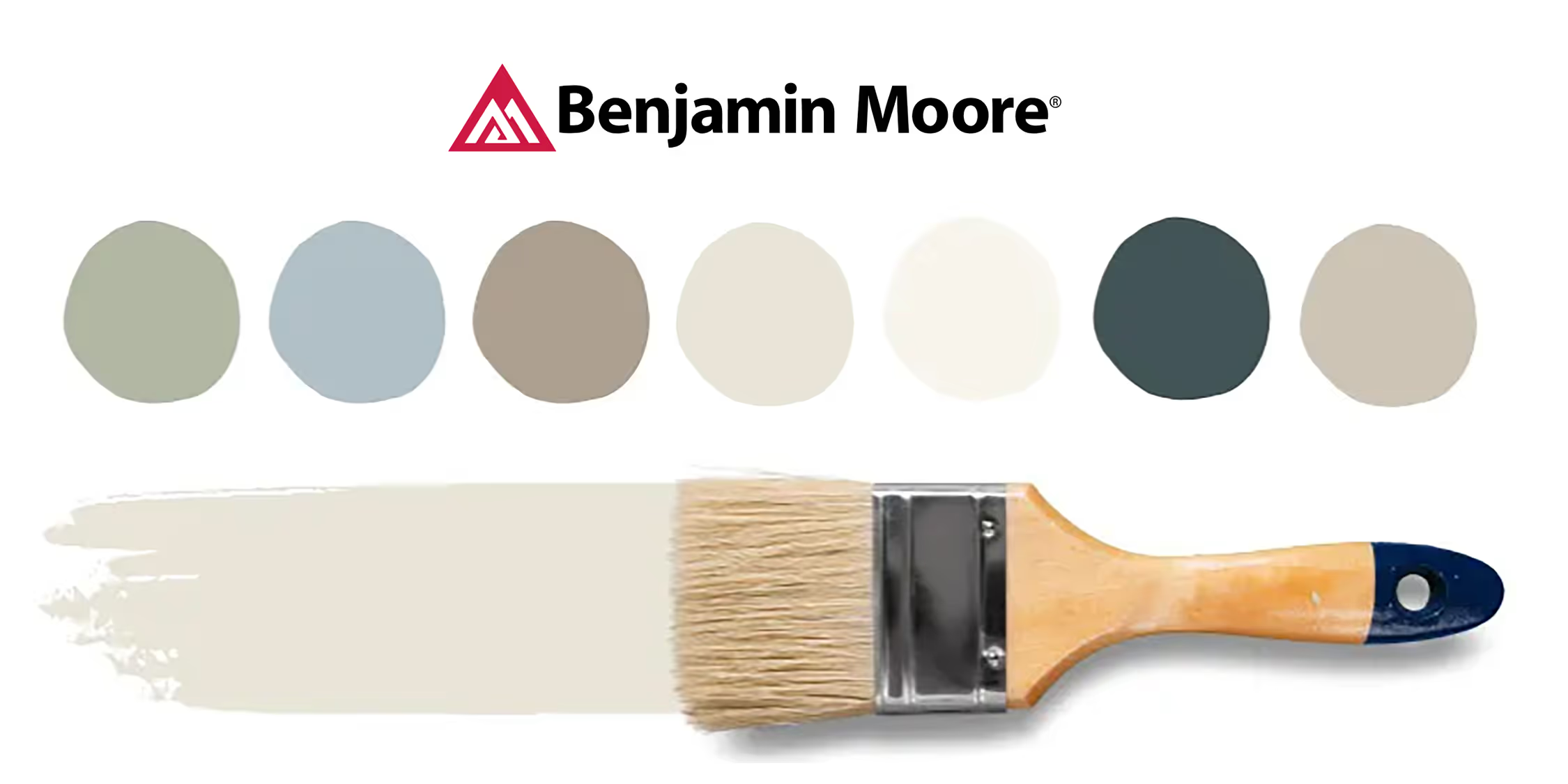
2. Simplify the Colour Story
When it comes to exterior colour, restraint creates sophistication. A limited, cohesive palette highlights architectural features and ensures your home feels polished rather than busy. Overcomplicated colour schemes can dilute visual impact — and often date more quickly.
How to Get It Right:
- Work within 2–3 main colours. A base (siding or masonry), a secondary (trim and fascia), and a thoughtful accent (front door or shutters) is usually enough.
- Stay within tonal families. Warm brick pairs best with warm neutrals; cooler siding works best with complementary cool tones.
- Use contrast strategically. Crisp trim can frame darker facades beautifully, while muted contrasts create a grounded, refined look.
Always test colours in natural light and at different times of day. And don’t underestimate the quiet sophistication of a matte finish — often more modern and enduring than high gloss.
3. Elevate the Front Entry
Your front entry should do more than function — it should anchor the elevation and create a welcoming sense of arrival. A thoughtfully designed entry establishes hierarchy, balance, and character.
How to Get It Right:
- Invest in the door. A bold yet classic door — whether wood, steel, or fiberglass — can instantly elevate the entire facade.
- Frame it intentionally. Sidelights, architectural columns, lighting, or well-scaled planters create visual structure and emphasis.
- Clarify the approach. A direct, well-lit pathway draws the eye and reinforces purpose. Avoid awkward or fragmented access points.
Sometimes the transformation is subtle: adjusting step proportions, upgrading hardware, or adding a small overhang can completely change the experience of arrival.
Final Thoughts: Design with Clarity, Not Complexity
Curb appeal isn’t about trends or dramatic makeovers. It’s about refinement, cohesion, and respect for architectural integrity.
By honouring your home’s original design, simplifying the colour palette, and creating a strong focal point at the entry, you establish an exterior that feels confident, timeless, and valuable.
Often, the most powerful upgrades are the quietest ones.
And those are the changes that last.